The Hidden Cost of Unmanaged Messages
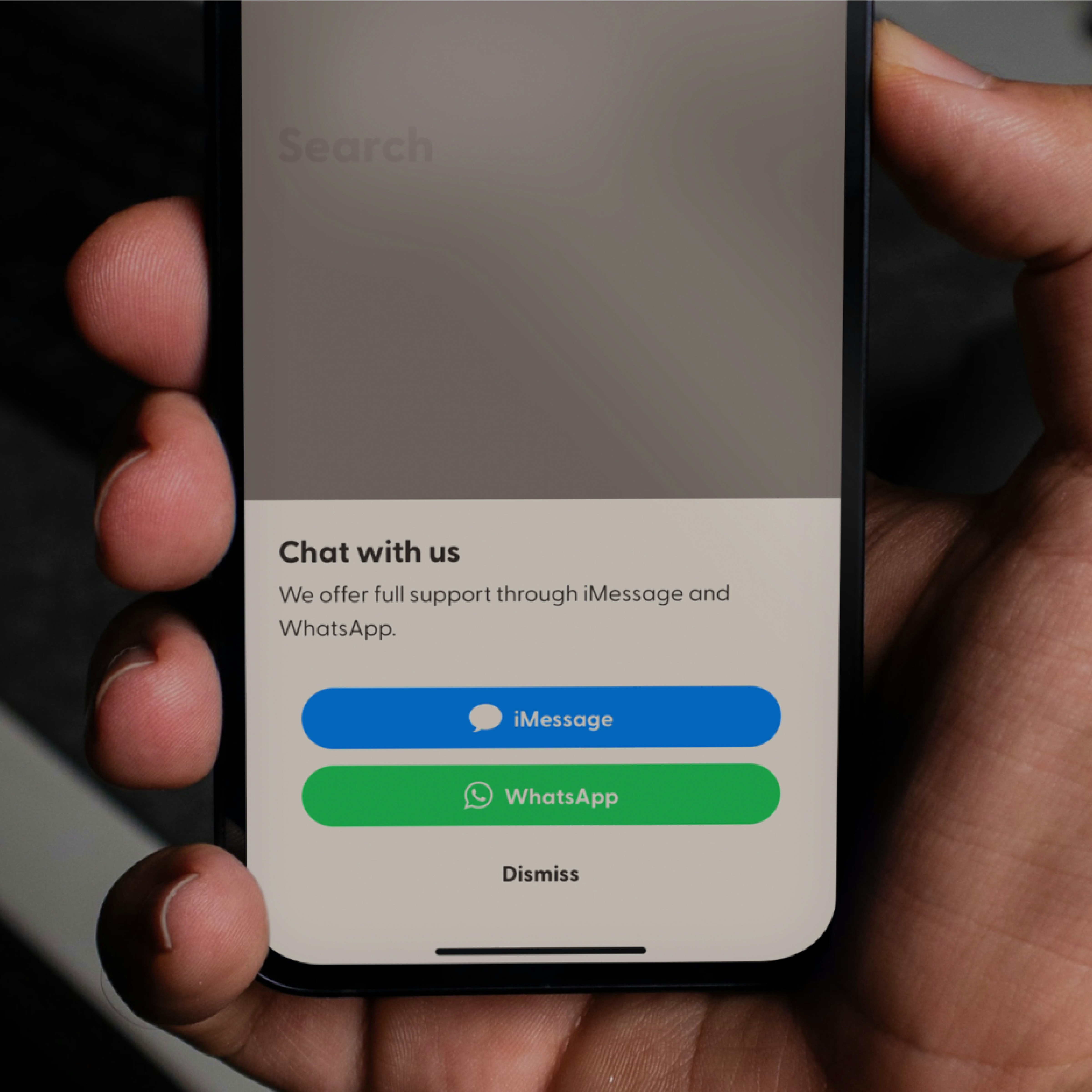
Telegram and WhatsApp can be powerful channels for businesses and churches. People often reach out with questions, requests, or early signs of interest. The challenge begins when those conversations remain scattered across personal inboxes and group chats. Important contacts may not be recorded, follow-ups can be delayed, and team members may not know who needs immediate attention.
A reliable contact-management process turns casual messages into clear opportunities for service, sales, or pastoral care. Instead of relying on memory, every interested person can be captured with useful details such as their name, phone number, needs, and preferred next step.
Qualify Interest Without Creating Friction
Not every message requires the same response. A short, thoughtfully designed quiz can help identify what each contact is looking for. A business might ask about budget, timing, or service requirements. A church could learn whether someone wants prayer, event information, counseling, or a connection with a ministry team.
The process should feel conversational rather than bureaucratic. Simple questions make it easier for people to respond while giving staff the context they need. Clear answers also reduce repetitive conversations and help teams focus their time where it matters most.
Give Teams the Right Alert at the Right Time
Once a contact has been qualified, the appropriate team member should receive an alert. A person ready to make a purchase, schedule a consultation, attend an event, or request support should not have to wait in an unattended inbox.
Alerts can be based on responses, urgency, or specific interests. This creates a practical handoff from automated qualification to human conversation. Team members can then respond with relevant information instead of starting from scratch.
Build Follow-Up People Can Trust
Effective follow-up is timely, personal, and organized. Contact details and conversation history help teams continue the discussion naturally, while reminders prevent promising leads from being forgotten. The result is a calmer workflow, stronger accountability, and better experiences for the people reaching out.